
Classroom Fun 5 November 2025
Slime science: messy hands, big learning
This week our classroom became a lab as the children mixed, measured and giggled through slime-making.
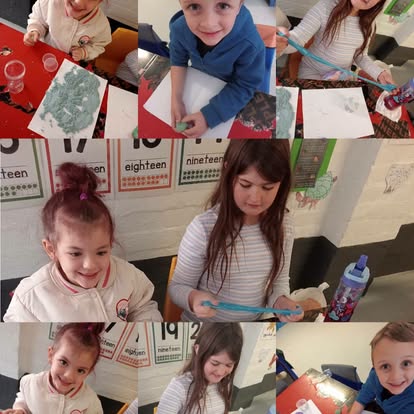
This week our classroom became a lab as the children mixed, measured and giggled through slime-making.
Slime-making might look like a very messy classroom morning (it is!), but it is genuinely packed with real, layered learning. Our Nursery and Grade R classrooms transformed into small science laboratories this week, complete with measuring jugs, mixing bowls, safety-glasses props and very serious little scientists doing very important experiments.
The children measured out ingredients from labelled bottles, one careful spoon at a time. They predicted what would happen when we added the 'magic activator' (a pinch of borax substitute in warm water). They observed the change from a runny liquid to a stretchy, glorious solid. And they described how the slime felt using an ever-growing vocabulary of new words: sticky, stretchy, gloopy, springy, cold, squishy, wobbly, satisfying.
Each child had their own small tray, their own little bowl and their own portion of ingredients. This meant everyone did the experiment themselves rather than watching a teacher demonstrate. There is a big difference in learning between watching and doing — and slime-making is one of those activities where the doing is what makes it magical.
The maths of slime is a quiet but rich lesson. Measuring one cup of glue, half a cup of water, three drops of food colouring — even the youngest slime scientists engaged with basic quantity, comparison and sequencing. Older Grade R children could describe recipes, adjust proportions and even predict what a double batch would need. Real, practical, hands-on early maths.
The science is real too. We talked about what happens at a molecular level in simple age-appropriate language — 'the water helps the tiny pieces join hands into a stretchy chain' — and demonstrated cause and effect over and over again. The children observed that more activator makes firmer slime, that colder slime is stiffer, that adding glitter changes appearance but not stretchiness.
The language and literacy layer of the activity is enormous. New vocabulary is introduced in a highly memorable, sensory-rich context, which means the words tend to stick. Children practised sentence construction ('when I stretched it, it went...'), sequencing ('first we, then we, and then...') and predicting ('I think it will...'). This is oral language work of the very best kind.
There is also a lovely fine motor workout tucked inside. Pouring, stirring, kneading, stretching, rolling, poking — all fine motor movements that develop the hand strength and coordination underpinning handwriting. Children who might resist a formal pencil task will happily knead slime for twenty focused minutes, quietly building the same muscles.
The emotional regulation benefits of slime are well documented at this point. Kneading and stretching a soft resistant substance is deeply calming for a preschool nervous system. We have children who ask for their slime pot on days when they are struggling to settle, and it works reliably. It is a sensory tool that also happens to be a science experiment.
We use only child-safe, tested slime recipes. Ingredients are food-safe and clearly labelled. Children with sensitive skin wear thin gloves. Nobody eats the slime (which is remarkably tempting to a three-year-old, so we watch carefully). Slime is kept in named containers and sent home at the end of the week to prolong the fun and the family conversations.
It is early science, early maths, early language, fine motor training, emotional regulation and enormous fun — all rolled into one gorgeously slimy morning. If you would like the recipe to try at home over the weekend, ask your class teacher. Just possibly cover the kitchen table with newspaper first.
Come and tour the school, meet the teachers and feel the Magic Moments magic in person.
"We have been a part of the Magic Moments family for 12 years, what an amazing time it's been. Knowing my kids have been loved and cared for as if they were home. They have learnt and blossomed through the love from Magic Moments. Thank you for all you do for all the kiddies. The smile says it all."
"What stands out most is how loving, caring and nurturing all the teachers are. Since starting at Magic Moments, Shreya has grown, matured and developed so much, both socially and emotionally."
"I want to thank you from the bottom of my heart for all that you do for the school. It is one of the best schools for kids. Azalea's teacher, Aunty Elaine, has so much love and patience — she treats them like her own."
"Khumo adjusted within just three days. The Magic Moments team has been such a wonderful support system for both him and me. I would recommend it to any parent looking for a safe, loving and nurturing environment for their child."
"Qophelo joined at 4 speaking only isiZulu. With the love and patience of all the teachers he learned English in such a short time and grew in confidence and joy. His vocabulary, maths and reading amaze us."
"From day one it has been a safe, loving and nurturing environment for my son. It doesn't feel like just a school — it feels like a family."
"The staff have been incredible with my daughter CJ — their dedication and passion reflects in her smile and love for going to school, even during school holidays. It's truly her home away from home. Thank you Janine and team."
"We toured five preschools in Queensburgh before choosing Magic Moments. The moment we walked in, our daughter didn't want to leave. Two years on and she still runs into class."
"We have been a part of the Magic Moments family for 12 years, what an amazing time it's been. Knowing my kids have been loved and cared for as if they were home. They have learnt and blossomed through the love from Magic Moments. Thank you for all you do for all the kiddies. The smile says it all."
"What stands out most is how loving, caring and nurturing all the teachers are. Since starting at Magic Moments, Shreya has grown, matured and developed so much, both socially and emotionally."
"I want to thank you from the bottom of my heart for all that you do for the school. It is one of the best schools for kids. Azalea's teacher, Aunty Elaine, has so much love and patience — she treats them like her own."
"Khumo adjusted within just three days. The Magic Moments team has been such a wonderful support system for both him and me. I would recommend it to any parent looking for a safe, loving and nurturing environment for their child."
"Qophelo joined at 4 speaking only isiZulu. With the love and patience of all the teachers he learned English in such a short time and grew in confidence and joy. His vocabulary, maths and reading amaze us."
"From day one it has been a safe, loving and nurturing environment for my son. It doesn't feel like just a school — it feels like a family."
"The staff have been incredible with my daughter CJ — their dedication and passion reflects in her smile and love for going to school, even during school holidays. It's truly her home away from home. Thank you Janine and team."
"We toured five preschools in Queensburgh before choosing Magic Moments. The moment we walked in, our daughter didn't want to leave. Two years on and she still runs into class."
From the classroom
Join our lead teachers for an evening exploring what school readiness really means and how you can support your child at home.
Read story →
We are thrilled to launch our new online home — designed to make it easier for families to explore everything Magic Moments has to offer.
Read story →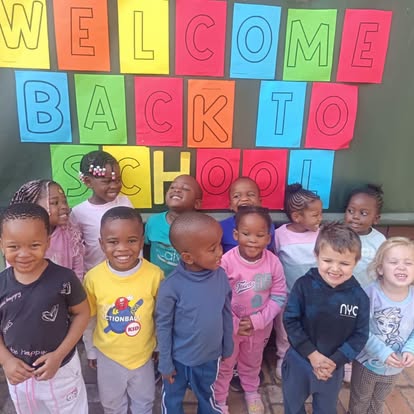
A quick group photo under the Welcome Back to School sign — proof that big learning starts with big smiles.
Read story →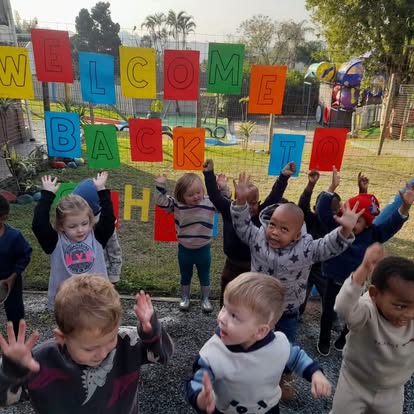
Hands in the air and the biggest smiles as our Magic Moments family reunited for a brand new year.
Read story →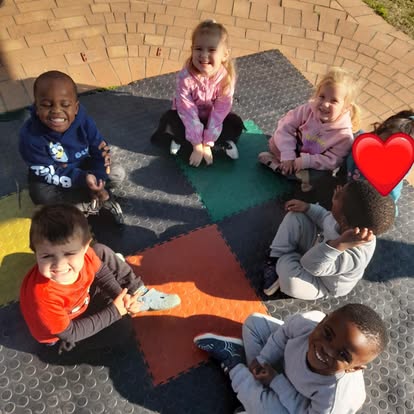
Limited spaces remain across our Baby, Toddler, Nursery and Grade R groups for 2026. Book a tour to secure your child's place.
Read story →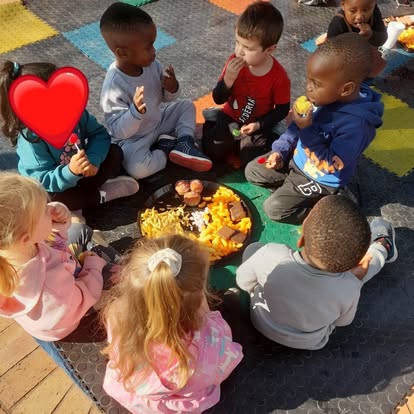
Our teachers share simple, child-friendly ideas that keep little tummies fuelled through a busy day of learning and play.
Read story →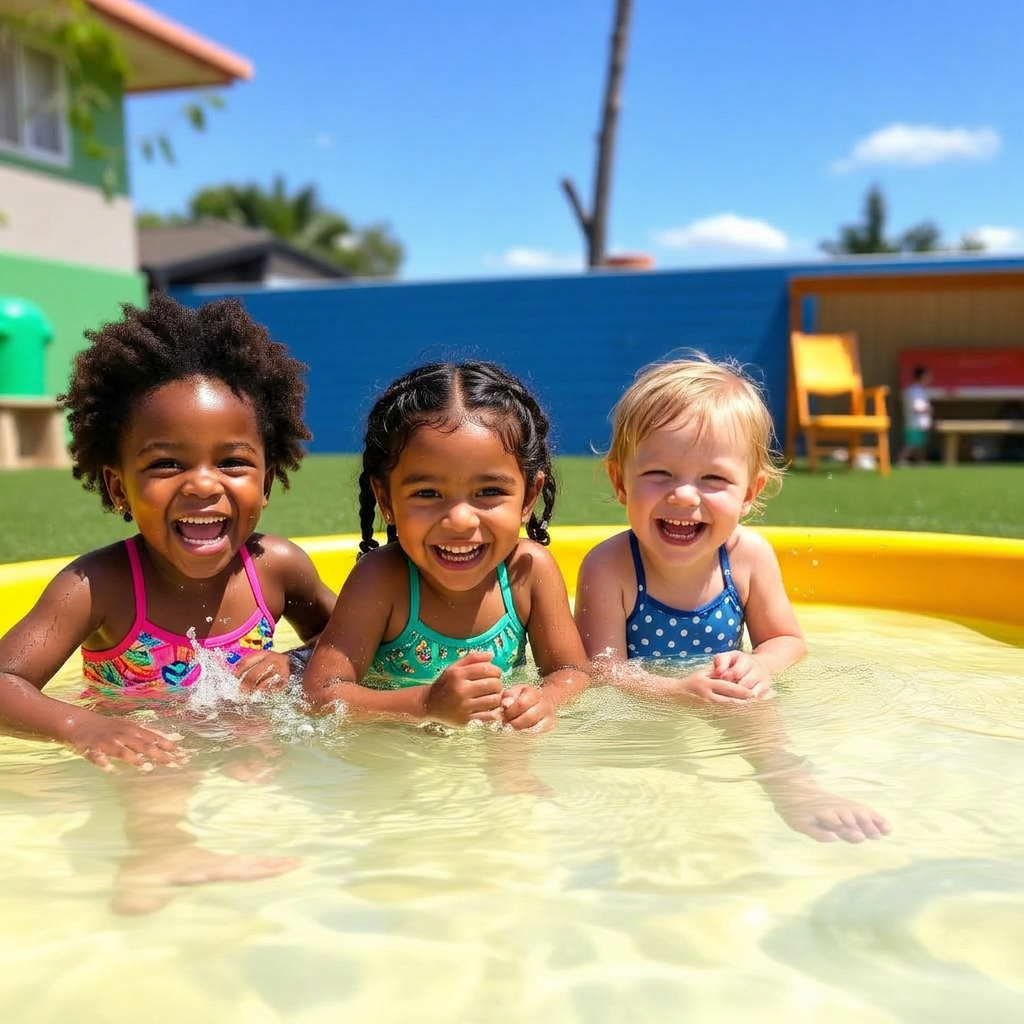
Sunny Durban days call for water play, and our little ones do not disappoint.
Read story →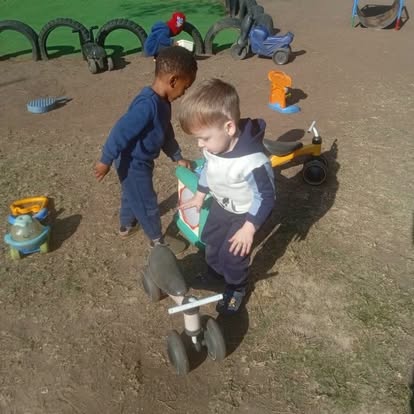
Bikes, scooters and ride-on toys — building strong legs, road sense and a whole lot of confidence.
Read story →