
Our Approach 14 August 2025
Sandpit friendships: where the best social skills grow
Buckets, spades, sharing and the occasional negotiation — the sandpit is one of our most important classrooms.
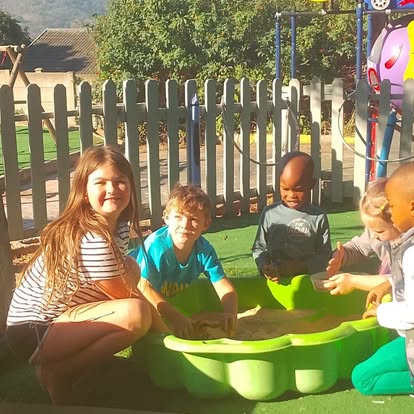
Buckets, spades, sharing and the occasional negotiation — the sandpit is one of our most important classrooms.
The sandpit might look like the simplest corner of the playground, but it is quietly one of our most powerful teaching spaces at Magic Moments. If you stand near it for ten minutes at outdoor time, you will witness more genuine social development than in most formal group activities anywhere else in the school. It is a small square of shaded sand, and it does enormous work.
Around the sandpit, children learn to share buckets, take turns with the good spade, ask for help with a stuck-together sandcastle, offer help to a smaller friend who cannot quite reach the water, negotiate space, and gently rebuild something a friend accidentally knocked over. These are enormous life skills wrapped up in what looks like play.
One of the most fascinating things to watch is how the sandpit naturally sorts play into different modes across the age groups. Toddlers do a lot of parallel play — digging next to a friend without much interaction. Nursery children begin cooperative play — 'I will dig the hole, you fill this bucket.' Grade R runs full imaginative play — 'this is the bakery, we are making bread for the wedding.'
Our teachers actively use the sandpit for social coaching. If two children reach for the same spade, a teacher will sit down at their level and model the language: 'Sipho, you want the blue spade. Amy is using it right now. What could you ask her?' Given time and gentle scaffolding, most preschoolers eventually solve these micro-conflicts on their own — which is exactly what we want.
The sandpit is also brilliant for sensory development. The weight of wet sand, the flow of dry sand through fingers, the resistance of packing a bucket firmly, the pleasant coolness in the shade, the tickle of sand between toes — all of it feeds the developing sensory system in ways that support later academic and physical skill.
Fine motor development is happening the whole time. Scooping small handfuls of sand, patting a surface smooth, drawing careful shapes with a stick, transferring sand from one small container to another, sifting sand through a strainer — all of these are the exact fine motor precursors to holding a pencil, cutting on a line and controlling a paintbrush.
The sandpit also encourages creative narrative play. A pile of damp sand becomes a mountain. A dip becomes a lake. Sticks become bridges. Small pebbles become sheep. Whole stories unfold across the morning, and children who might struggle to string a sentence together at circle time will often narrate elaborate tales while their hands are busy in the sand.
It is also, honestly, a wonderful space for children who need a break from a busy classroom. The sandpit is naturally calming. A child who is overstimulated, tired or working through a big feeling can often be found quietly digging in a corner, self-regulating through the rhythmic sensory input. Our teachers know to protect that quiet corner.
We keep the sandpit clean, covered overnight to keep it safe from unwanted visitors, and the sand is refreshed regularly. Children wash their hands thoroughly before snack after sandpit time — a routine now so entrenched that most of them line up unprompted. Sensible shoes are recommended for sandpit day; sandals fill up quickly.
If you have ever wondered why your child comes home with sand in every conceivable clothing pocket — you now know that it came from a genuine developmental workhorse of a corner. It is one of the many small, unglamorous, extraordinary teaching spaces we protect at Magic Moments.
Come and tour the school, meet the teachers and feel the Magic Moments magic in person.
"We have been a part of the Magic Moments family for 12 years, what an amazing time it's been. Knowing my kids have been loved and cared for as if they were home. They have learnt and blossomed through the love from Magic Moments. Thank you for all you do for all the kiddies. The smile says it all."
"What stands out most is how loving, caring and nurturing all the teachers are. Since starting at Magic Moments, Shreya has grown, matured and developed so much, both socially and emotionally."
"I want to thank you from the bottom of my heart for all that you do for the school. It is one of the best schools for kids. Azalea's teacher, Aunty Elaine, has so much love and patience — she treats them like her own."
"Khumo adjusted within just three days. The Magic Moments team has been such a wonderful support system for both him and me. I would recommend it to any parent looking for a safe, loving and nurturing environment for their child."
"Qophelo joined at 4 speaking only isiZulu. With the love and patience of all the teachers he learned English in such a short time and grew in confidence and joy. His vocabulary, maths and reading amaze us."
"From day one it has been a safe, loving and nurturing environment for my son. It doesn't feel like just a school — it feels like a family."
"The staff have been incredible with my daughter CJ — their dedication and passion reflects in her smile and love for going to school, even during school holidays. It's truly her home away from home. Thank you Janine and team."
"We toured five preschools in Queensburgh before choosing Magic Moments. The moment we walked in, our daughter didn't want to leave. Two years on and she still runs into class."
"We have been a part of the Magic Moments family for 12 years, what an amazing time it's been. Knowing my kids have been loved and cared for as if they were home. They have learnt and blossomed through the love from Magic Moments. Thank you for all you do for all the kiddies. The smile says it all."
"What stands out most is how loving, caring and nurturing all the teachers are. Since starting at Magic Moments, Shreya has grown, matured and developed so much, both socially and emotionally."
"I want to thank you from the bottom of my heart for all that you do for the school. It is one of the best schools for kids. Azalea's teacher, Aunty Elaine, has so much love and patience — she treats them like her own."
"Khumo adjusted within just three days. The Magic Moments team has been such a wonderful support system for both him and me. I would recommend it to any parent looking for a safe, loving and nurturing environment for their child."
"Qophelo joined at 4 speaking only isiZulu. With the love and patience of all the teachers he learned English in such a short time and grew in confidence and joy. His vocabulary, maths and reading amaze us."
"From day one it has been a safe, loving and nurturing environment for my son. It doesn't feel like just a school — it feels like a family."
"The staff have been incredible with my daughter CJ — their dedication and passion reflects in her smile and love for going to school, even during school holidays. It's truly her home away from home. Thank you Janine and team."
"We toured five preschools in Queensburgh before choosing Magic Moments. The moment we walked in, our daughter didn't want to leave. Two years on and she still runs into class."
From the classroom
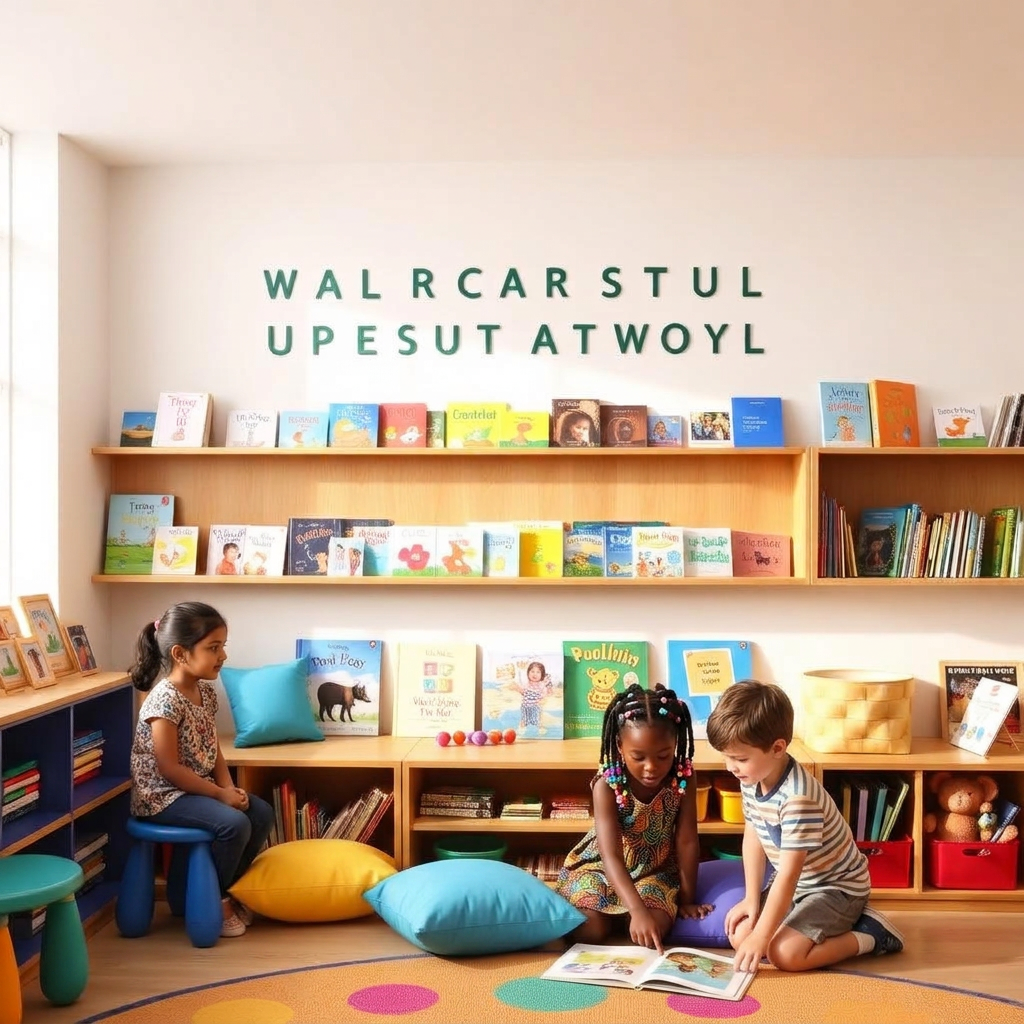
Join our lead teachers for an evening exploring what school readiness really means and how you can support your child at home.
Read story →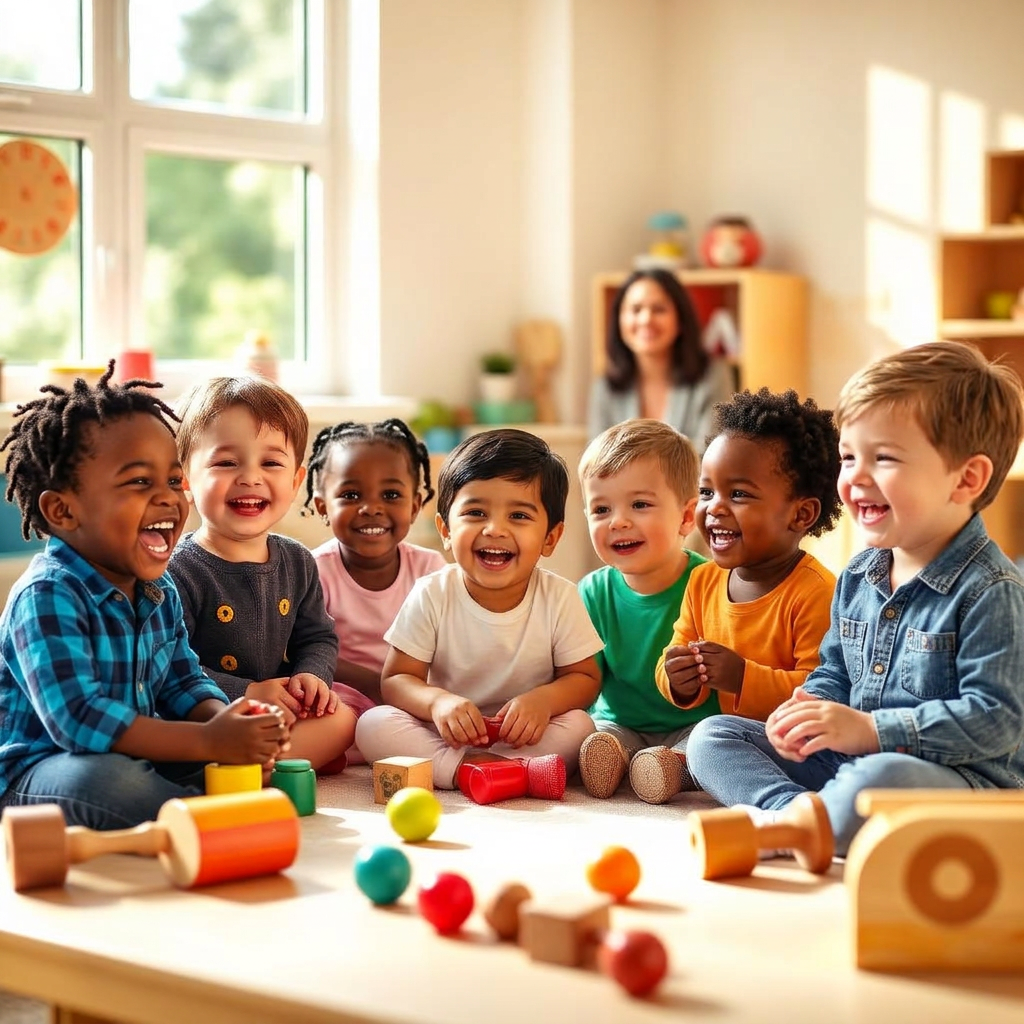
We are thrilled to launch our new online home — designed to make it easier for families to explore everything Magic Moments has to offer.
Read story →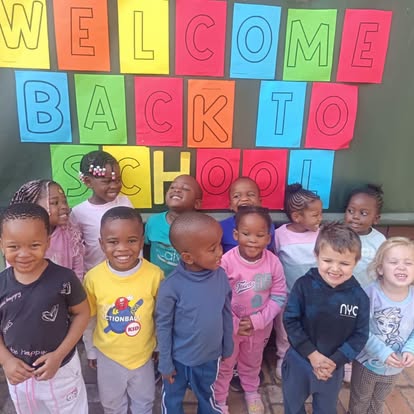
A quick group photo under the Welcome Back to School sign — proof that big learning starts with big smiles.
Read story →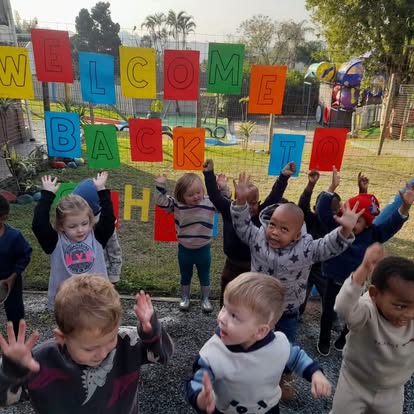
Hands in the air and the biggest smiles as our Magic Moments family reunited for a brand new year.
Read story →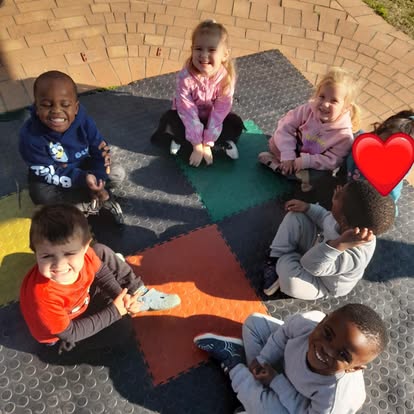
Limited spaces remain across our Baby, Toddler, Nursery and Grade R groups for 2026. Book a tour to secure your child's place.
Read story →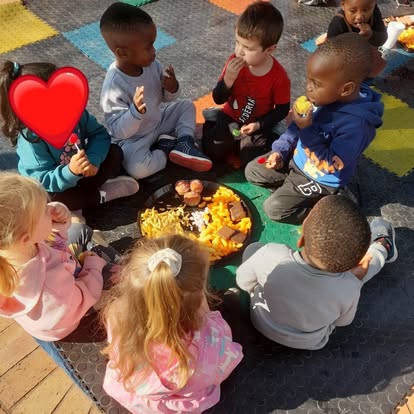
Our teachers share simple, child-friendly ideas that keep little tummies fuelled through a busy day of learning and play.
Read story →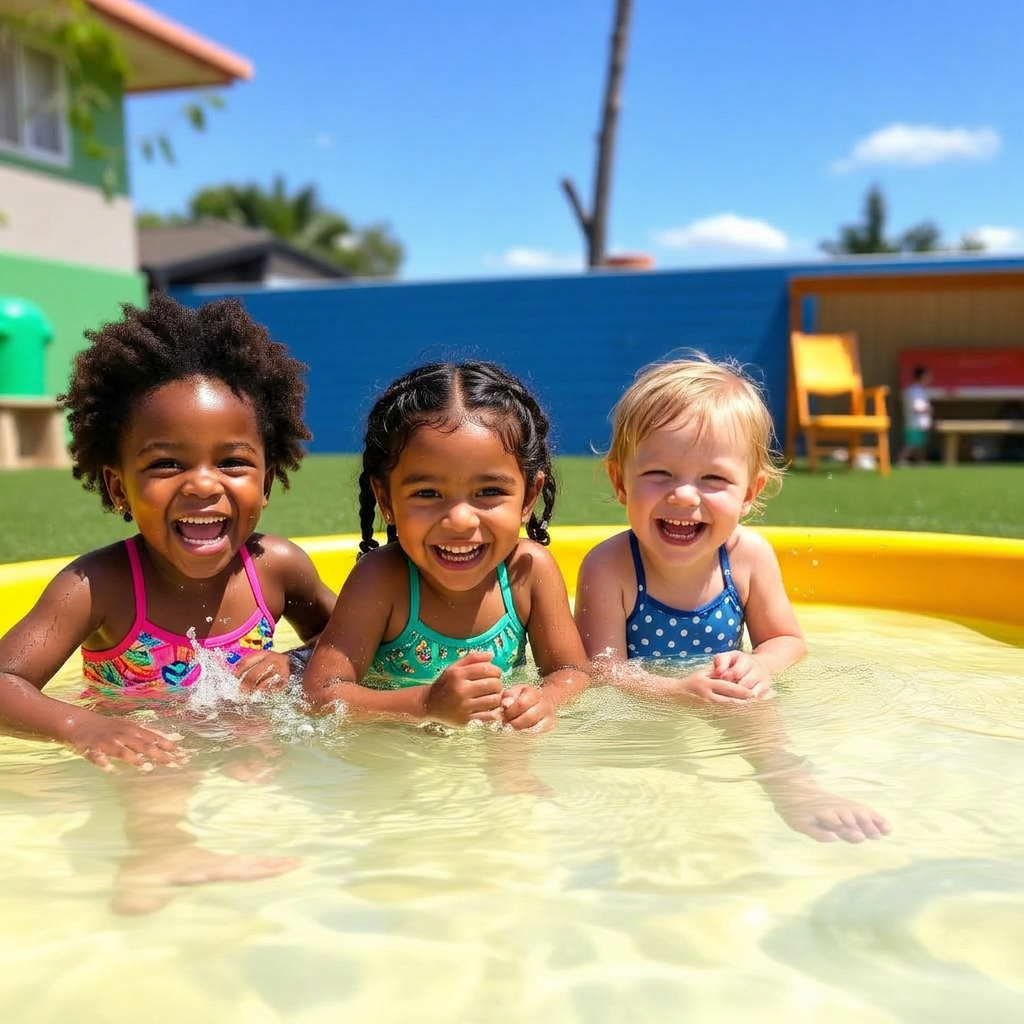
Sunny Durban days call for water play, and our little ones do not disappoint.
Read story →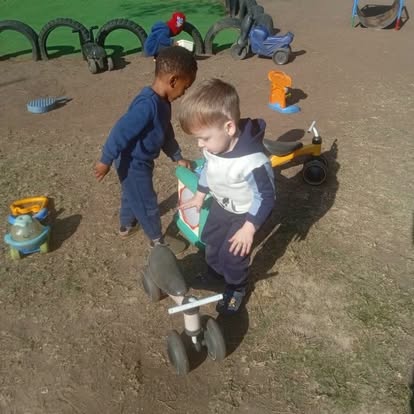
Bikes, scooters and ride-on toys — building strong legs, road sense and a whole lot of confidence.
Read story →