
Community 28 October 2025
Two wheels, one friendship
The magic of a shared playground moment — helping a friend onto his bike and setting off together.
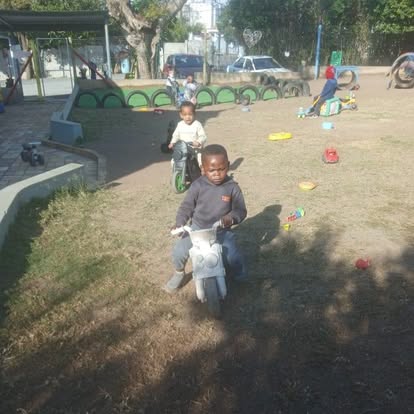
The magic of a shared playground moment — helping a friend onto his bike and setting off together.
Our teachers are always quietly on the lookout for these little moments of kindness on the playground — the ones you cannot plan into a curriculum, the ones that unfold in a corner of the garden and reveal exactly how a child's heart is growing. This week's small moment was one of the best we have seen in a while.
One friend patiently held the bike steady with both hands. The other climbed on carefully, one foot at a time, adjusting his balance while his friend murmured encouragement. And off they went together for a lap around the grass — one riding, one running alongside like the world's most devoted pit-crew. It was, honestly, the sweetest thirty seconds of the whole morning.
These moments are small on the surface but they are exactly the kind of everyday empathy we love to nurture at Magic Moments. We do not have a formal 'kindness curriculum' hanging on the wall. We do not need one. What we have is a team of teachers who spot small acts of thoughtfulness, name them out loud, celebrate them quietly, and let the children absorb the message that this is how we do things here.
The friendships that begin in the sandpit, on the bike track, at the mud kitchen and around the reading corner are often the ones that carry through to Big School and beyond. Many of our Grade R graduates leave Magic Moments with a small band of dear friends who follow them to the same primary school, and that shared preschool bond quietly makes the transition so much easier.
We think a lot about how we nurture social skills at this age. It is not through worksheets or explicit lessons. It is through hundreds of tiny moments — a teacher naming the kindness she just saw, a child noticing a friend's tears and fetching a tissue unprompted, a Grade R showing a Toddler how the water tap works, a Nursery friend saving space at the snack table for a shy new starter.
Modelling matters enormously. Our teachers greet each other warmly, thank the office team out loud, share equipment cheerfully, and openly apologise when they make a mistake in front of the children. Preschoolers absorb far more from watching adults than from being told what to do. The classroom culture is set by what the adults do, every single day.
We do also gently teach the language of empathy. 'Look at your friend's face — how do you think they are feeling?' 'What could we do to help?' 'How would you feel if that happened to you?' Simple, age-appropriate scripts that children hear so often they start using them naturally. By the end of Grade R, most of our children can articulate a friend's likely feelings without prompting.
Kindness in the playground is not always dramatic. Sometimes it is a child moving over to make space on the bench. Sometimes it is offering the last blue crayon. Sometimes it is fetching a jersey for a friend without being asked. Our teachers celebrate all of it — the tiny moments as much as the big ones — because that is how kindness becomes a daily habit rather than an occasional gesture.
We also try to teach that being kind does not mean never disagreeing or always giving in. Kindness sometimes looks like using your words, calmly stating what you need, and giving a friend space to feel what they feel. That is a subtle lesson to teach a four-year-old, but our teachers are remarkably good at it.
If you spot your child doing something particularly kind at home, please tell us. We love hearing these stories and celebrating them at circle time. And if you would like to see our friendship-first culture in action, come and visit on a school tour. It is one of the intangible things families most often mention after their first visit — the atmosphere is simply warm.
Come and tour the school, meet the teachers and feel the Magic Moments magic in person.
"We have been a part of the Magic Moments family for 12 years, what an amazing time it's been. Knowing my kids have been loved and cared for as if they were home. They have learnt and blossomed through the love from Magic Moments. Thank you for all you do for all the kiddies. The smile says it all."
"What stands out most is how loving, caring and nurturing all the teachers are. Since starting at Magic Moments, Shreya has grown, matured and developed so much, both socially and emotionally."
"I want to thank you from the bottom of my heart for all that you do for the school. It is one of the best schools for kids. Azalea's teacher, Aunty Elaine, has so much love and patience — she treats them like her own."
"Khumo adjusted within just three days. The Magic Moments team has been such a wonderful support system for both him and me. I would recommend it to any parent looking for a safe, loving and nurturing environment for their child."
"Qophelo joined at 4 speaking only isiZulu. With the love and patience of all the teachers he learned English in such a short time and grew in confidence and joy. His vocabulary, maths and reading amaze us."
"From day one it has been a safe, loving and nurturing environment for my son. It doesn't feel like just a school — it feels like a family."
"The staff have been incredible with my daughter CJ — their dedication and passion reflects in her smile and love for going to school, even during school holidays. It's truly her home away from home. Thank you Janine and team."
"We toured five preschools in Queensburgh before choosing Magic Moments. The moment we walked in, our daughter didn't want to leave. Two years on and she still runs into class."
"We have been a part of the Magic Moments family for 12 years, what an amazing time it's been. Knowing my kids have been loved and cared for as if they were home. They have learnt and blossomed through the love from Magic Moments. Thank you for all you do for all the kiddies. The smile says it all."
"What stands out most is how loving, caring and nurturing all the teachers are. Since starting at Magic Moments, Shreya has grown, matured and developed so much, both socially and emotionally."
"I want to thank you from the bottom of my heart for all that you do for the school. It is one of the best schools for kids. Azalea's teacher, Aunty Elaine, has so much love and patience — she treats them like her own."
"Khumo adjusted within just three days. The Magic Moments team has been such a wonderful support system for both him and me. I would recommend it to any parent looking for a safe, loving and nurturing environment for their child."
"Qophelo joined at 4 speaking only isiZulu. With the love and patience of all the teachers he learned English in such a short time and grew in confidence and joy. His vocabulary, maths and reading amaze us."
"From day one it has been a safe, loving and nurturing environment for my son. It doesn't feel like just a school — it feels like a family."
"The staff have been incredible with my daughter CJ — their dedication and passion reflects in her smile and love for going to school, even during school holidays. It's truly her home away from home. Thank you Janine and team."
"We toured five preschools in Queensburgh before choosing Magic Moments. The moment we walked in, our daughter didn't want to leave. Two years on and she still runs into class."
From the classroom
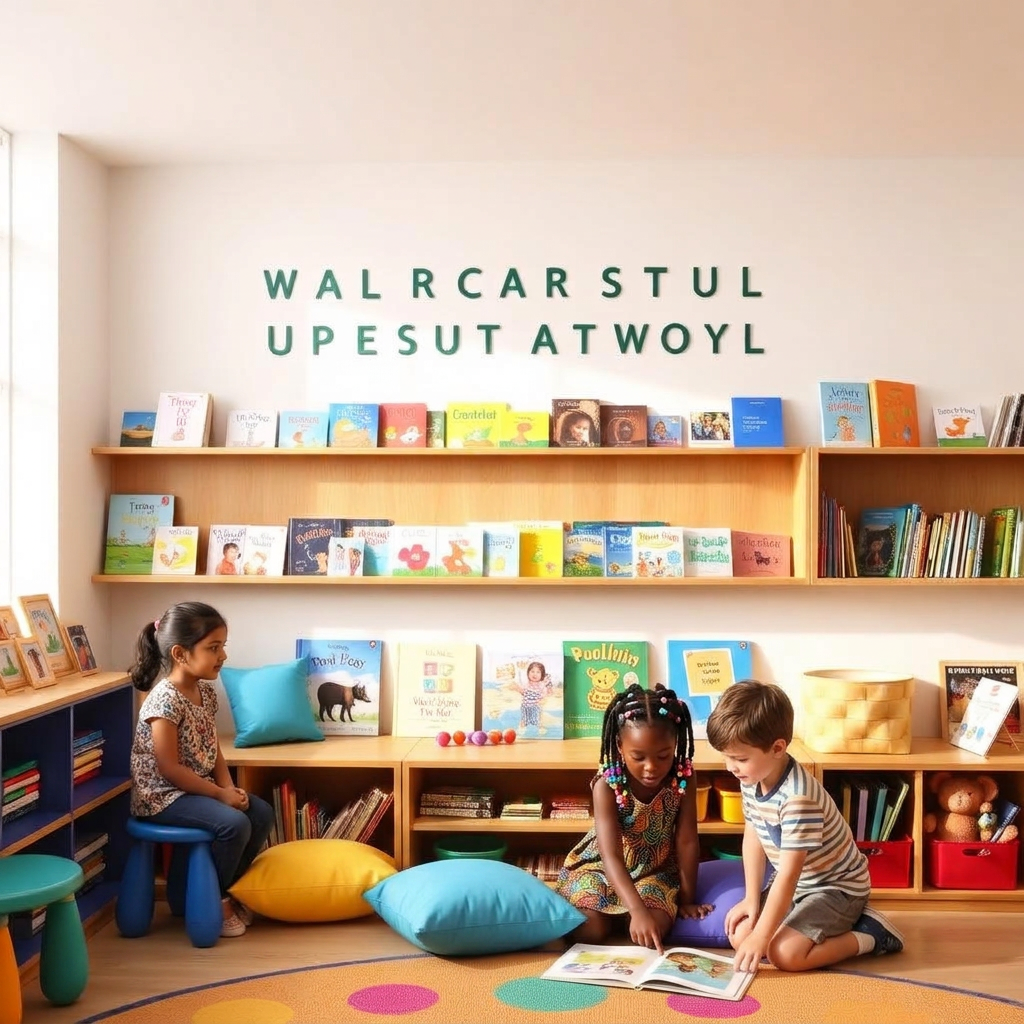
Join our lead teachers for an evening exploring what school readiness really means and how you can support your child at home.
Read story →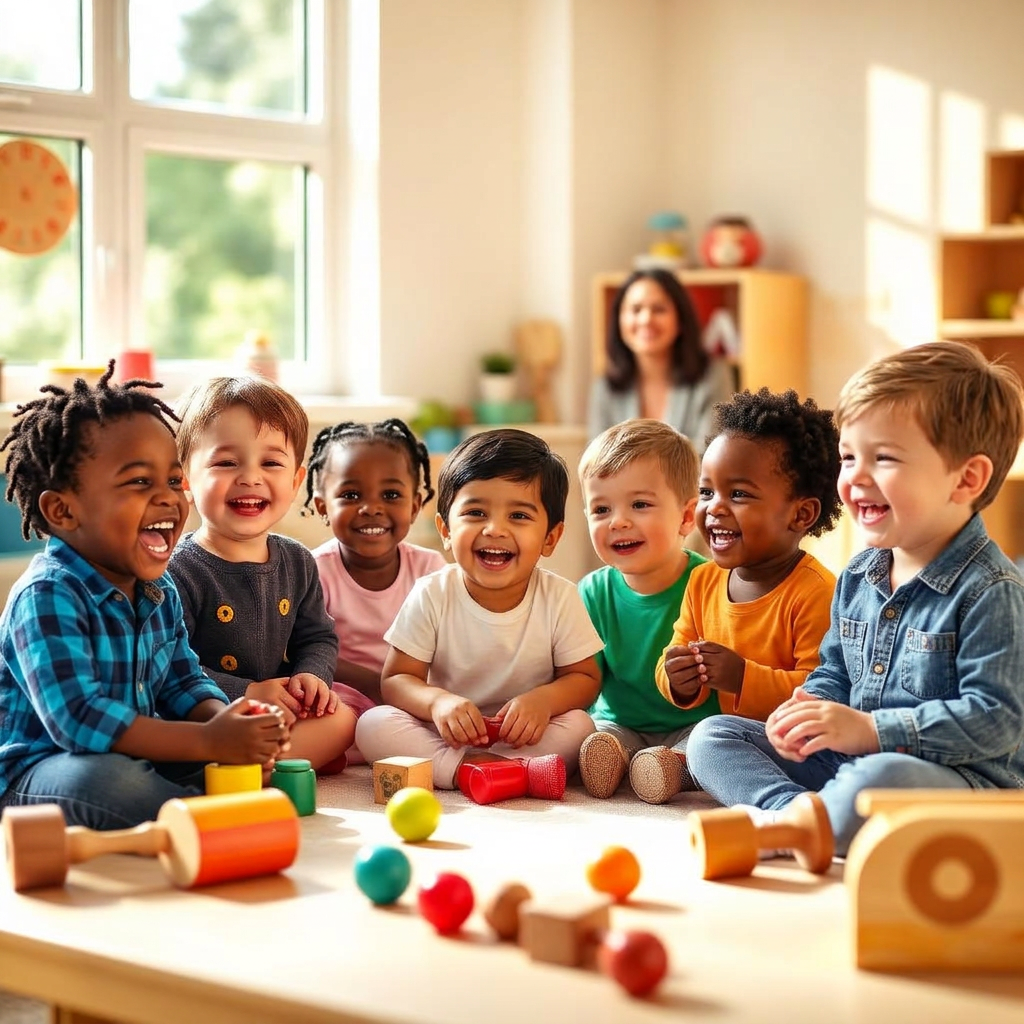
We are thrilled to launch our new online home — designed to make it easier for families to explore everything Magic Moments has to offer.
Read story →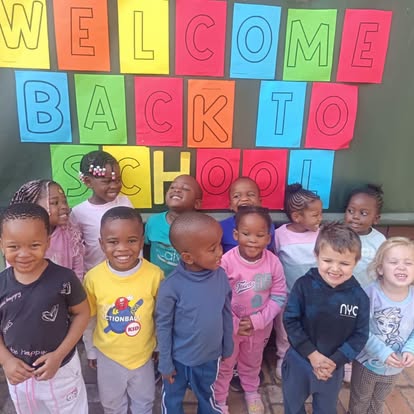
A quick group photo under the Welcome Back to School sign — proof that big learning starts with big smiles.
Read story →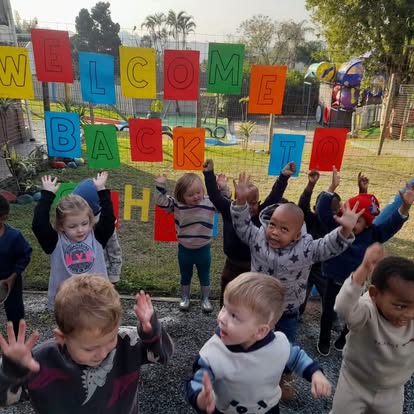
Hands in the air and the biggest smiles as our Magic Moments family reunited for a brand new year.
Read story →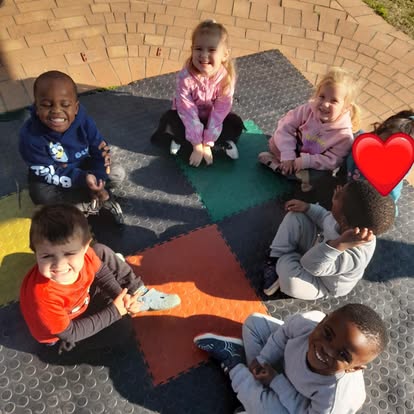
Limited spaces remain across our Baby, Toddler, Nursery and Grade R groups for 2026. Book a tour to secure your child's place.
Read story →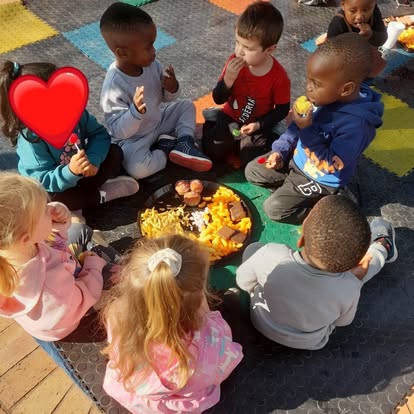
Our teachers share simple, child-friendly ideas that keep little tummies fuelled through a busy day of learning and play.
Read story →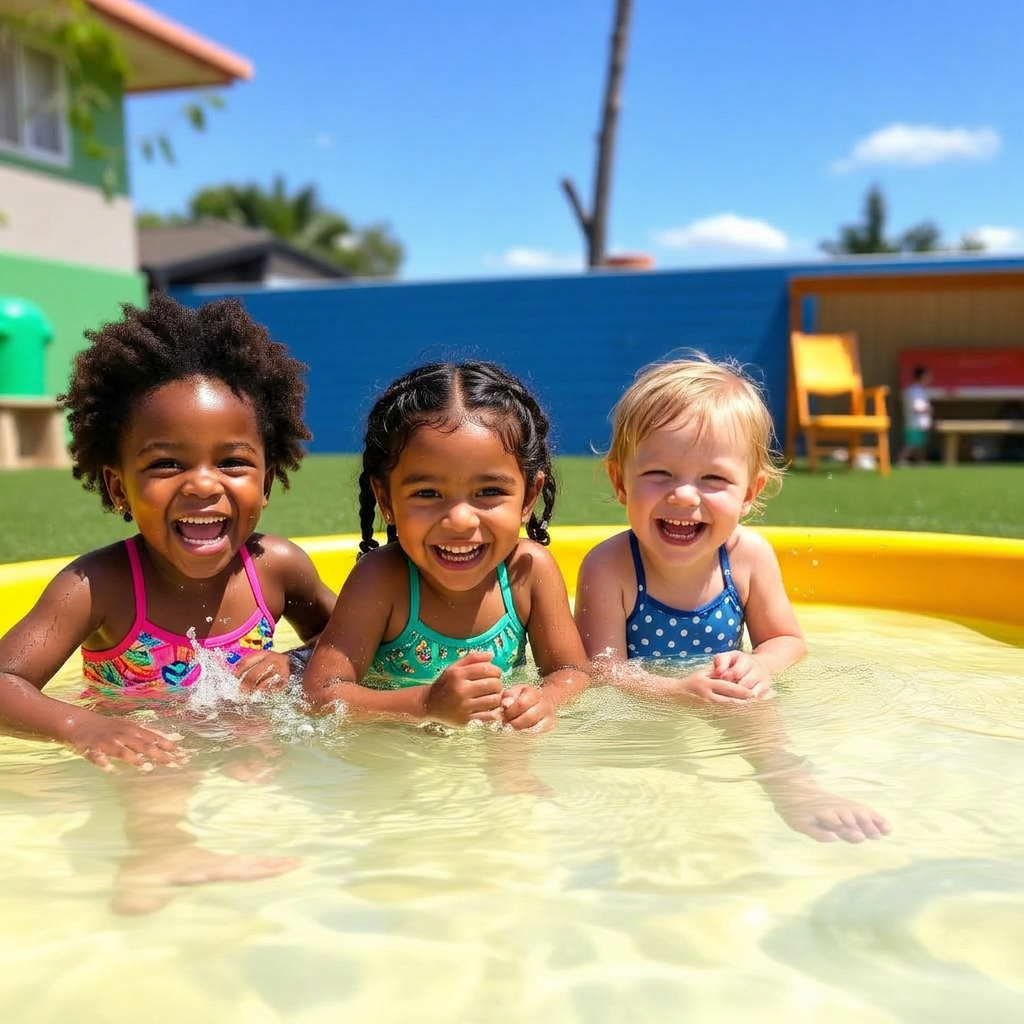
Sunny Durban days call for water play, and our little ones do not disappoint.
Read story →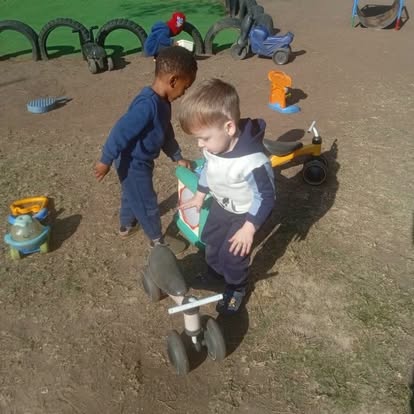
Bikes, scooters and ride-on toys — building strong legs, road sense and a whole lot of confidence.
Read story →