
Our Approach 28 October 2025
Why we protect outdoor play (even when it is grey)
Climbing, swinging, running and balancing are not extras — they are how little brains and bodies grow strong.
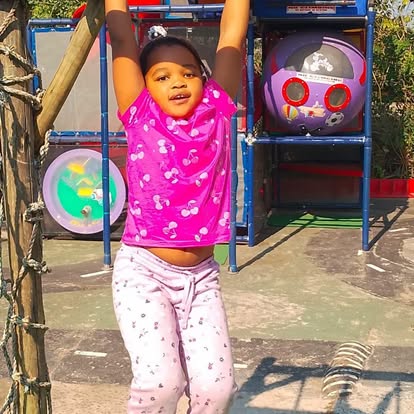
Climbing, swinging, running and balancing are not extras — they are how little brains and bodies grow strong.
At Magic Moments, outdoor play is not a reward that children earn for finishing indoor work. It is not a treat we hand out when there is a spare fifteen minutes at the end of a lesson. It is not something we skip when the sky looks grey. Outdoor play is a core, non-negotiable, protected part of every single school day — and there are excellent scientific reasons for that.
Our jungle gym, swings, agility hoops, tyre-track, sandpit, mud kitchen, grass field, ride-on bike track and shaded gathering corners have all been carefully chosen and laid out with a purpose. Each element quietly builds one or more of the physical foundations that our children will lean on for the rest of their school careers — foundations that classroom activities alone can never fully develop.
Take hanging from the monkey bars, for example. It looks like simple play but is quietly one of the best exercises we know for developing shoulder girdle stability, upper body strength and grip. All three of those directly underpin a child's ability to hold a pencil correctly, to sit at a desk without slumping, and to control fine motor tasks like cutting and colouring. There is no worksheet in the world that can replace it.
Balancing on the beam or the tyre track develops the vestibular system — the inner-ear-and-brain network that helps a child track words across a page without losing their place, follow the teacher's finger during phonics, catch a ball or ride a bike. Children with an under-developed vestibular system often struggle to sit still, tire quickly in class, or bump into things without realising.
Swinging back and forth on the swings does far more than build core strength (although it does that beautifully too). It provides deep, rhythmical vestibular input that has a calming, regulating effect on the nervous system. Anxious or overwhelmed children often gravitate to the swings for exactly this reason — and once they have swung it out, they come back to the classroom ready to focus.
Even the humble sandpit is quietly working hard. Digging, scooping, patting, sifting, packing wet sand into a bucket and turning it out on the ground all build the fine motor strength and precision needed for scissor work, drawing and eventually handwriting. Add water to the sand and you introduce weight, resistance and cause-and-effect learning in one go.
Beyond the physical, outdoor play develops something that is very hard to teach indoors: risk assessment. A child who works out for themselves how high they can climb, how fast they can go down the slide before it becomes uncomfortable, or how to negotiate space with a friend on the swing, is a child who is building lifelong judgement. Our teachers spot, supervise and stretch — never wrap in cotton wool.
There is also strong evidence that outdoor time supports language development, immune system function, sleep quality, sight development and even mental health from a very young age. The Durban sunshine (used sensibly with hats and sunscreen) is a big part of why our children are so healthy and well-slept — vitamin D, fresh air and real natural light all matter.
That is why, unless the weather is genuinely unsafe — dangerous storms, lightning, extreme heat or a swampy playground after very heavy rain — we get outside every single day. Jackets on, sleeves rolled up, sunhats sorted, and a little bit of mud considered a bonus rather than a disaster. We wash easily. Missed developmental opportunities do not.
If you have ever wondered why your Magic Moments child comes home tired, ravenous and slightly grubby, this is exactly why. And it is exactly the way we like it. We would rather send home a proud, exhausted little climber than a neatly-turned-out child who spent the day sitting still. If you would like to see our outdoor programme in action, come and visit on a school tour.
Come and tour the school, meet the teachers and feel the Magic Moments magic in person.
"We have been a part of the Magic Moments family for 12 years, what an amazing time it's been. Knowing my kids have been loved and cared for as if they were home. They have learnt and blossomed through the love from Magic Moments. Thank you for all you do for all the kiddies. The smile says it all."
"What stands out most is how loving, caring and nurturing all the teachers are. Since starting at Magic Moments, Shreya has grown, matured and developed so much, both socially and emotionally."
"I want to thank you from the bottom of my heart for all that you do for the school. It is one of the best schools for kids. Azalea's teacher, Aunty Elaine, has so much love and patience — she treats them like her own."
"Khumo adjusted within just three days. The Magic Moments team has been such a wonderful support system for both him and me. I would recommend it to any parent looking for a safe, loving and nurturing environment for their child."
"Qophelo joined at 4 speaking only isiZulu. With the love and patience of all the teachers he learned English in such a short time and grew in confidence and joy. His vocabulary, maths and reading amaze us."
"From day one it has been a safe, loving and nurturing environment for my son. It doesn't feel like just a school — it feels like a family."
"The staff have been incredible with my daughter CJ — their dedication and passion reflects in her smile and love for going to school, even during school holidays. It's truly her home away from home. Thank you Janine and team."
"We toured five preschools in Queensburgh before choosing Magic Moments. The moment we walked in, our daughter didn't want to leave. Two years on and she still runs into class."
"We have been a part of the Magic Moments family for 12 years, what an amazing time it's been. Knowing my kids have been loved and cared for as if they were home. They have learnt and blossomed through the love from Magic Moments. Thank you for all you do for all the kiddies. The smile says it all."
"What stands out most is how loving, caring and nurturing all the teachers are. Since starting at Magic Moments, Shreya has grown, matured and developed so much, both socially and emotionally."
"I want to thank you from the bottom of my heart for all that you do for the school. It is one of the best schools for kids. Azalea's teacher, Aunty Elaine, has so much love and patience — she treats them like her own."
"Khumo adjusted within just three days. The Magic Moments team has been such a wonderful support system for both him and me. I would recommend it to any parent looking for a safe, loving and nurturing environment for their child."
"Qophelo joined at 4 speaking only isiZulu. With the love and patience of all the teachers he learned English in such a short time and grew in confidence and joy. His vocabulary, maths and reading amaze us."
"From day one it has been a safe, loving and nurturing environment for my son. It doesn't feel like just a school — it feels like a family."
"The staff have been incredible with my daughter CJ — their dedication and passion reflects in her smile and love for going to school, even during school holidays. It's truly her home away from home. Thank you Janine and team."
"We toured five preschools in Queensburgh before choosing Magic Moments. The moment we walked in, our daughter didn't want to leave. Two years on and she still runs into class."
From the classroom
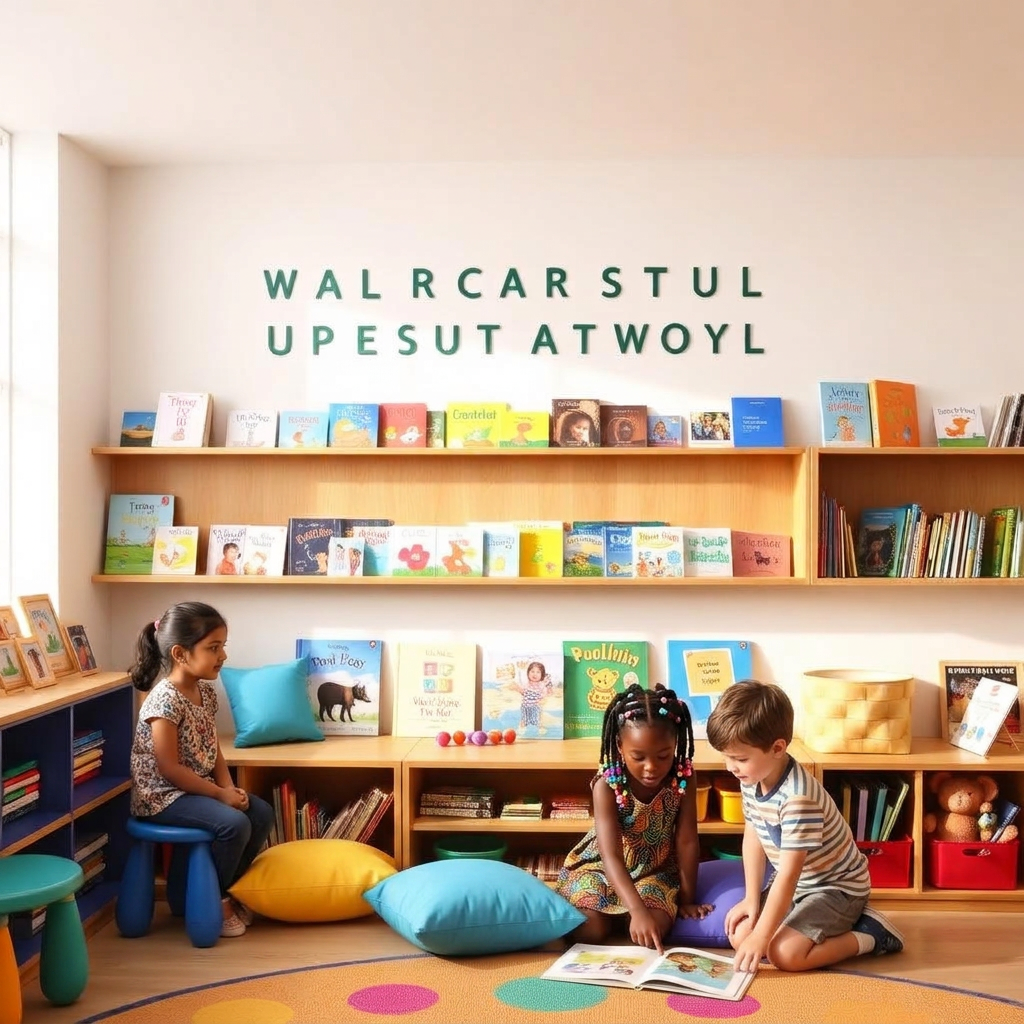
Join our lead teachers for an evening exploring what school readiness really means and how you can support your child at home.
Read story →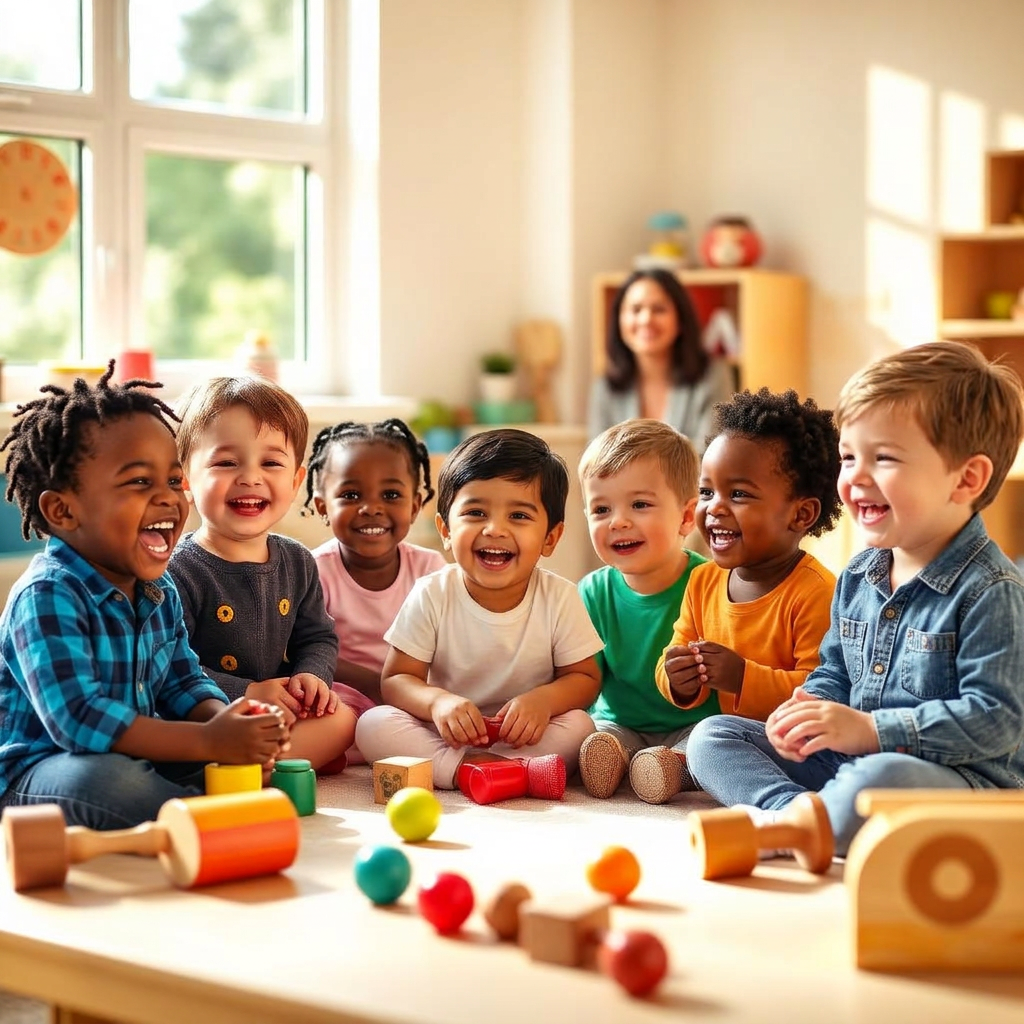
We are thrilled to launch our new online home — designed to make it easier for families to explore everything Magic Moments has to offer.
Read story →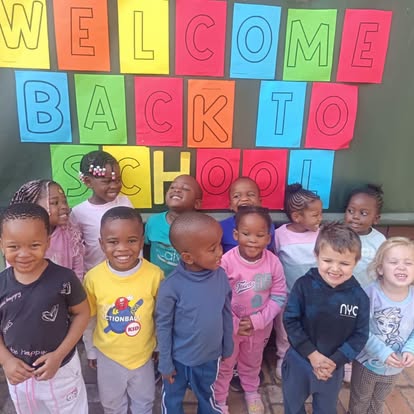
A quick group photo under the Welcome Back to School sign — proof that big learning starts with big smiles.
Read story →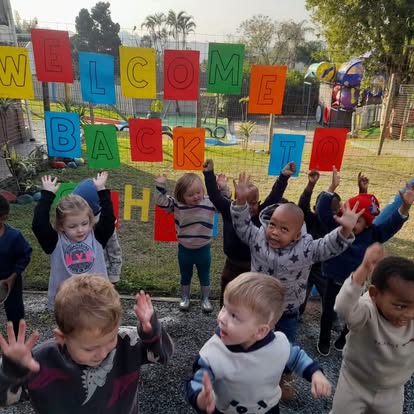
Hands in the air and the biggest smiles as our Magic Moments family reunited for a brand new year.
Read story →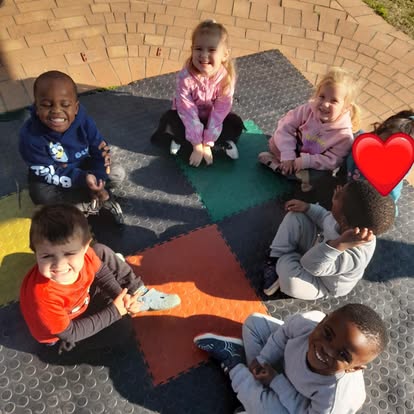
Limited spaces remain across our Baby, Toddler, Nursery and Grade R groups for 2026. Book a tour to secure your child's place.
Read story →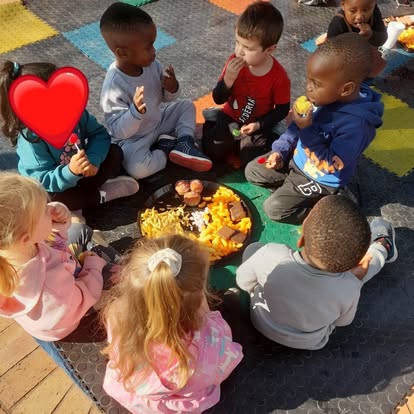
Our teachers share simple, child-friendly ideas that keep little tummies fuelled through a busy day of learning and play.
Read story →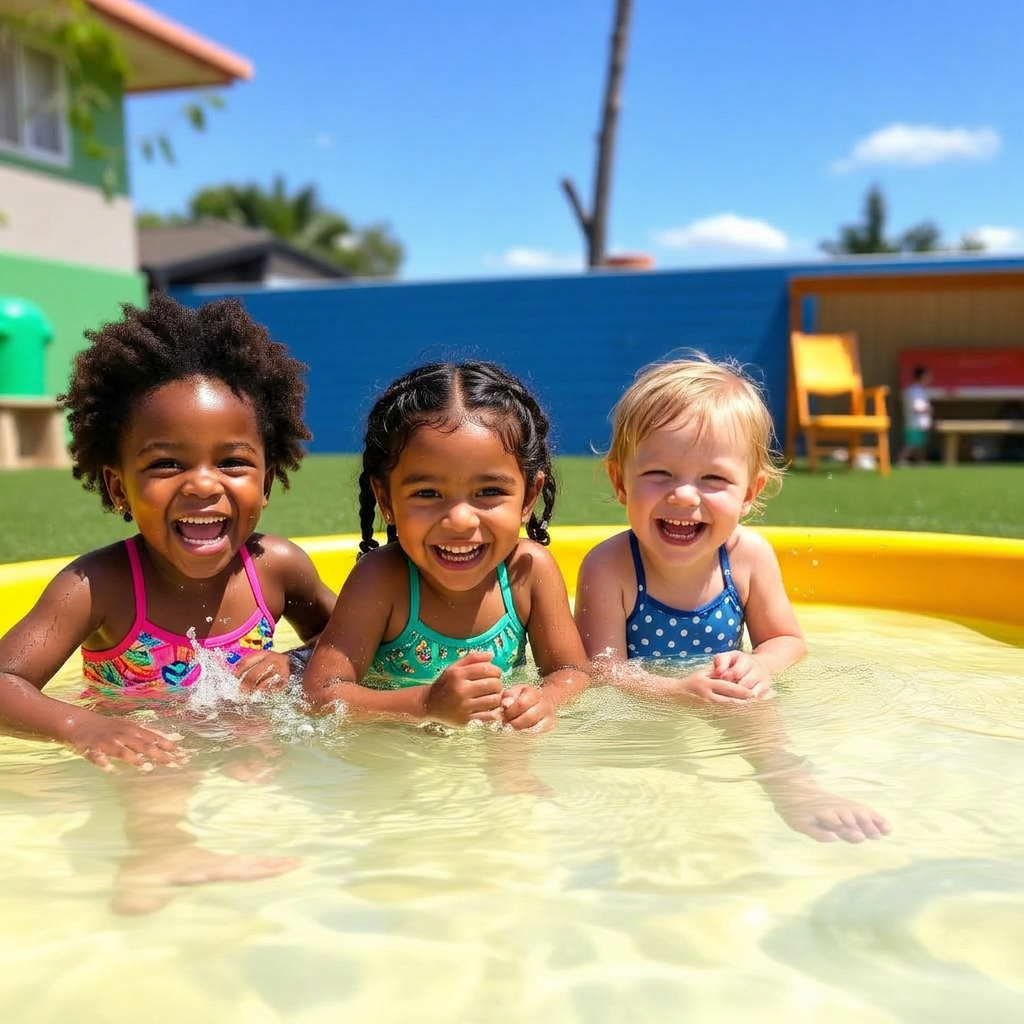
Sunny Durban days call for water play, and our little ones do not disappoint.
Read story →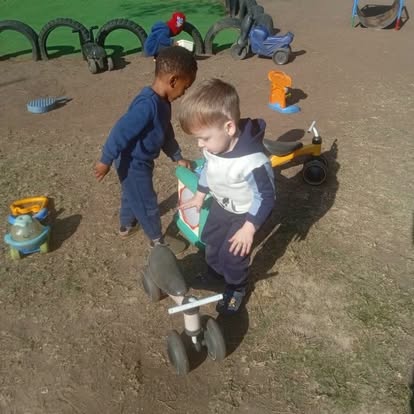
Bikes, scooters and ride-on toys — building strong legs, road sense and a whole lot of confidence.
Read story →