
Our Approach 5 September 2025
Circle time: where big friendships begin
Every day starts and ends in a circle — a small routine that teaches enormous social skills.
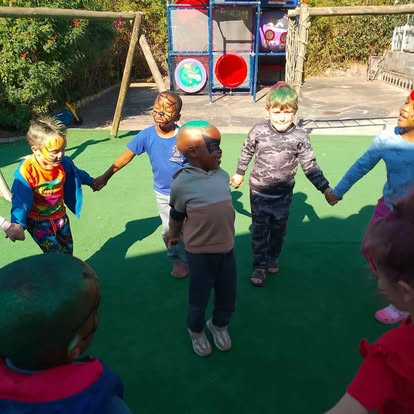
Every day starts and ends in a circle — a small routine that teaches enormous social skills.
At Magic Moments, every class starts and ends the day in a circle. It is one of the most consistent, predictable rhythms of our school week — a small routine that quietly does an enormous amount of teaching work while looking, from the outside, like a simple little gathering on a rug.
The morning circle usually opens with a familiar 'good morning' song, sung in the same key and at the same pace every day. That familiarity matters more than parents sometimes realise. For children still settling in — whether it is the first day of the term or the first day of the school year — a predictable ritual is the emotional equivalent of a warm blanket. It signals safety, belonging and 'you know how this goes'.
From there, the teacher moves through a short, age-appropriate set of activities. The weather chart. The days of the week. A quick check-in with each child by name. A story or a rhyme. A discussion of what we are going to do today. In Grade R it might extend to a mini phonics or number game. In the Baby Room it might be replaced by a gentle group song and cuddle time.
Sitting in a circle is genuinely one of the most powerful teaching tools we have. Every child can see every other child. Every child can see the teacher. Every child feels the equal geometry of the space — no back row, no favourite corner, no hierarchy of who sits closest. It quietly teaches that everyone in this room belongs equally.
Circle time teaches children to listen when others are speaking. In a world of constant screens and adult multitasking, this is a rare and valuable skill. It teaches them to wait their turn, to keep their body still enough to stay engaged, and to make eye contact with the person talking. It teaches them to notice when a friend is having a hard morning and to offer a quiet word of kindness.
It also builds language and vocabulary in the most natural way possible. Hearing a story read aloud daily, singing new songs together, discussing the weather or a picture, answering open-ended questions — all of it grows a child's expressive and receptive language at a rapid clip. Circle time is often where our teachers first notice which children need a nudge of extra support.
The end-of-day circle is where we close the loop. What did we do today that we enjoyed? Who did something kind we would like to notice? What are we looking forward to tomorrow? For younger children, this reflection is guided and simple. For Grade R, it becomes a small but meaningful moment of self-awareness — the earliest seeds of what will one day be a proper meta-cognitive skill.
Circle time also does quiet conflict resolution work. If there has been a squabble on the playground, the teacher can revisit it briefly on the rug — no shame, no blame, just a group problem to solve together. Children learn that their disagreements can be talked about safely and that community life involves regularly mending things. These are life skills.
The friendships that begin around a Magic Moments circle often last well into Big School. There is something about sitting shoulder to shoulder day after day, singing the same songs, celebrating the same little wins and comforting the same little disappointments, that builds a bond that lasts. Many of our Grade R graduates arrive at their new schools with a small band of Magic Moments friends already at their side.
We often say that if you can teach a child to sit well in a circle, you have taught them most of what they need to be part of a community. The alphabet is easy after that. And that is one of the many reasons we take circle time so seriously — even when, from the outside, it might look like just a song on a rug.
Come and tour the school, meet the teachers and feel the Magic Moments magic in person.
"We have been a part of the Magic Moments family for 12 years, what an amazing time it's been. Knowing my kids have been loved and cared for as if they were home. They have learnt and blossomed through the love from Magic Moments. Thank you for all you do for all the kiddies. The smile says it all."
"What stands out most is how loving, caring and nurturing all the teachers are. Since starting at Magic Moments, Shreya has grown, matured and developed so much, both socially and emotionally."
"I want to thank you from the bottom of my heart for all that you do for the school. It is one of the best schools for kids. Azalea's teacher, Aunty Elaine, has so much love and patience — she treats them like her own."
"Khumo adjusted within just three days. The Magic Moments team has been such a wonderful support system for both him and me. I would recommend it to any parent looking for a safe, loving and nurturing environment for their child."
"Qophelo joined at 4 speaking only isiZulu. With the love and patience of all the teachers he learned English in such a short time and grew in confidence and joy. His vocabulary, maths and reading amaze us."
"From day one it has been a safe, loving and nurturing environment for my son. It doesn't feel like just a school — it feels like a family."
"The staff have been incredible with my daughter CJ — their dedication and passion reflects in her smile and love for going to school, even during school holidays. It's truly her home away from home. Thank you Janine and team."
"We toured five preschools in Queensburgh before choosing Magic Moments. The moment we walked in, our daughter didn't want to leave. Two years on and she still runs into class."
"We have been a part of the Magic Moments family for 12 years, what an amazing time it's been. Knowing my kids have been loved and cared for as if they were home. They have learnt and blossomed through the love from Magic Moments. Thank you for all you do for all the kiddies. The smile says it all."
"What stands out most is how loving, caring and nurturing all the teachers are. Since starting at Magic Moments, Shreya has grown, matured and developed so much, both socially and emotionally."
"I want to thank you from the bottom of my heart for all that you do for the school. It is one of the best schools for kids. Azalea's teacher, Aunty Elaine, has so much love and patience — she treats them like her own."
"Khumo adjusted within just three days. The Magic Moments team has been such a wonderful support system for both him and me. I would recommend it to any parent looking for a safe, loving and nurturing environment for their child."
"Qophelo joined at 4 speaking only isiZulu. With the love and patience of all the teachers he learned English in such a short time and grew in confidence and joy. His vocabulary, maths and reading amaze us."
"From day one it has been a safe, loving and nurturing environment for my son. It doesn't feel like just a school — it feels like a family."
"The staff have been incredible with my daughter CJ — their dedication and passion reflects in her smile and love for going to school, even during school holidays. It's truly her home away from home. Thank you Janine and team."
"We toured five preschools in Queensburgh before choosing Magic Moments. The moment we walked in, our daughter didn't want to leave. Two years on and she still runs into class."
From the classroom
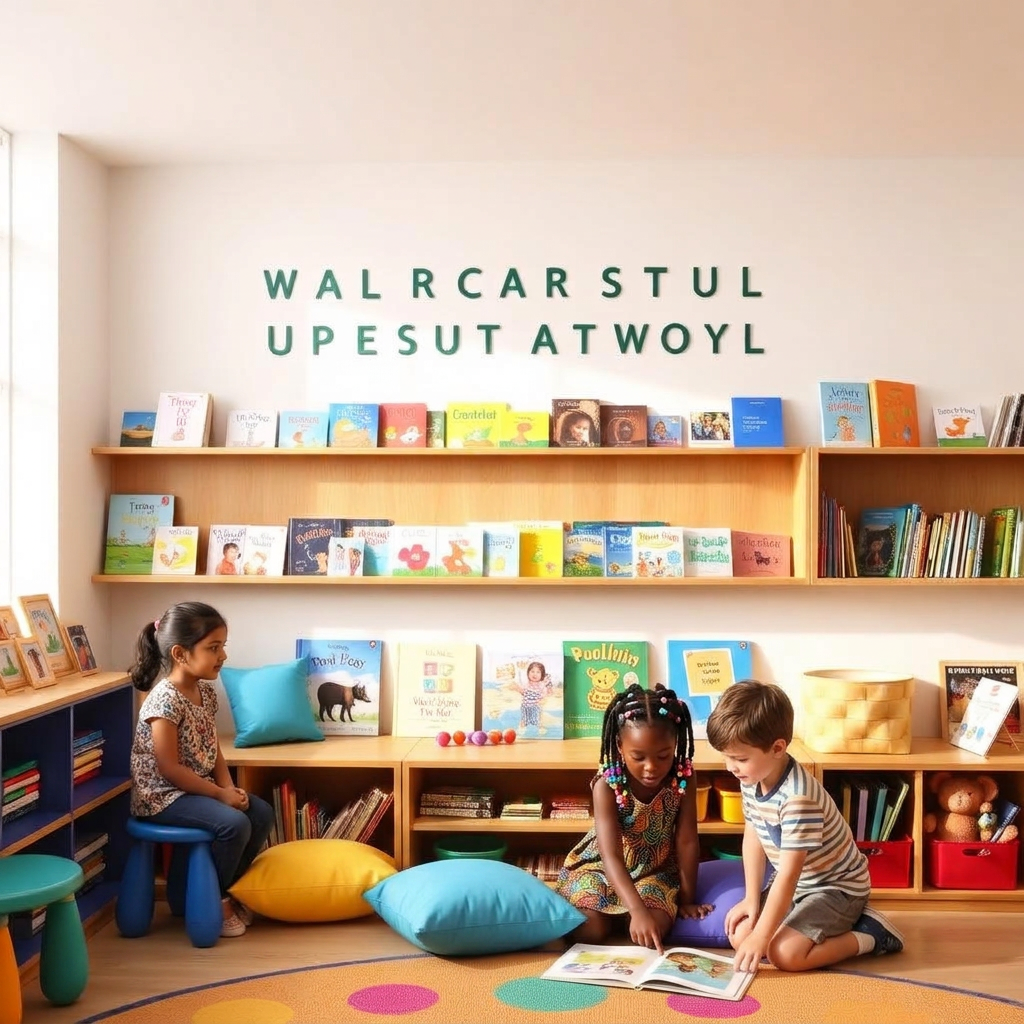
Join our lead teachers for an evening exploring what school readiness really means and how you can support your child at home.
Read story →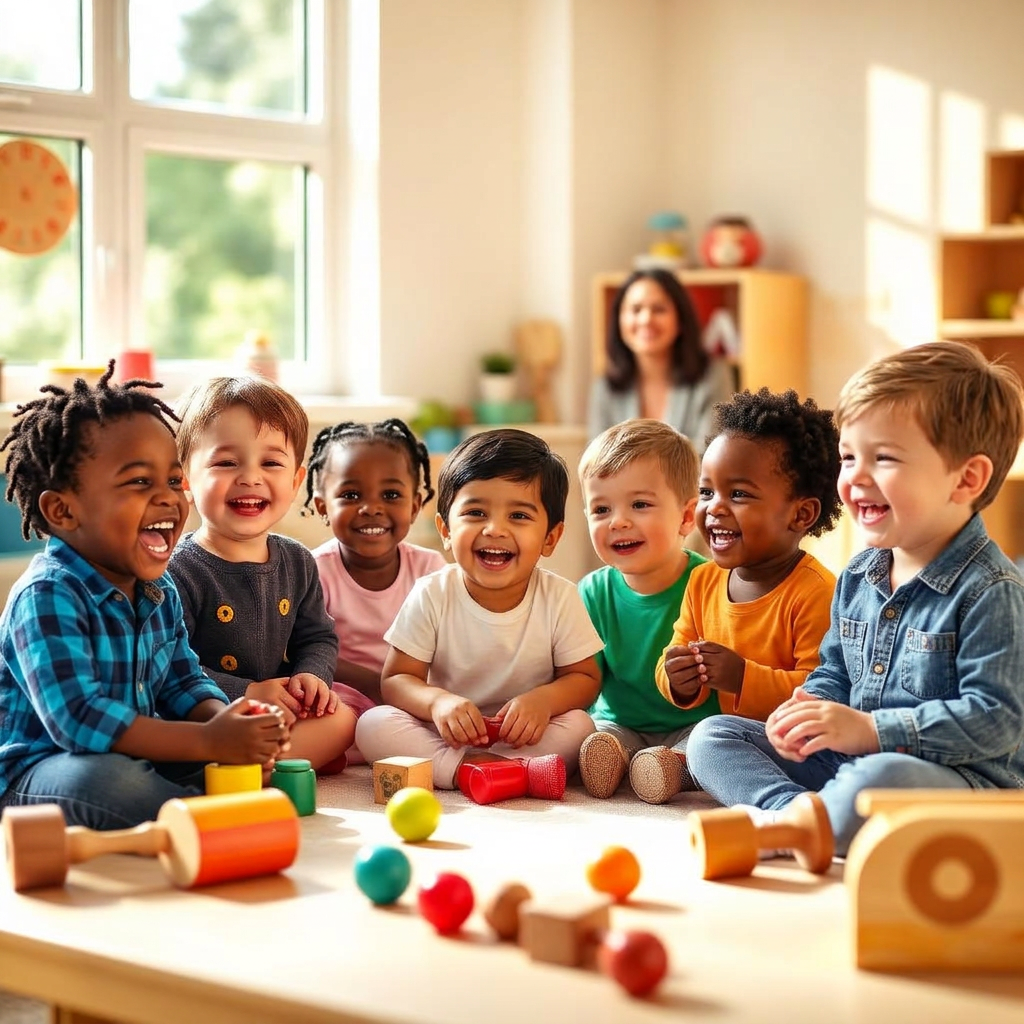
We are thrilled to launch our new online home — designed to make it easier for families to explore everything Magic Moments has to offer.
Read story →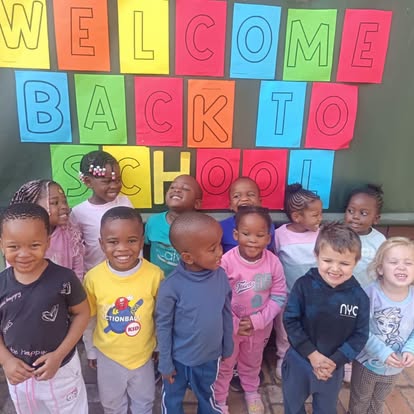
A quick group photo under the Welcome Back to School sign — proof that big learning starts with big smiles.
Read story →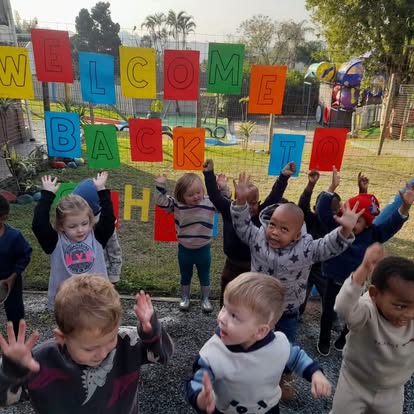
Hands in the air and the biggest smiles as our Magic Moments family reunited for a brand new year.
Read story →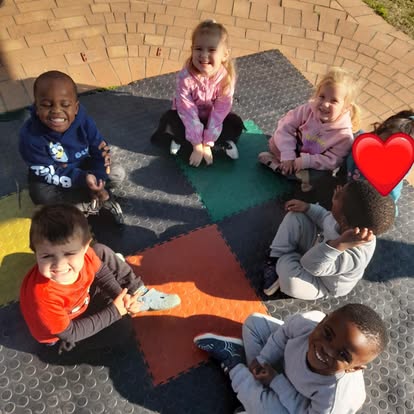
Limited spaces remain across our Baby, Toddler, Nursery and Grade R groups for 2026. Book a tour to secure your child's place.
Read story →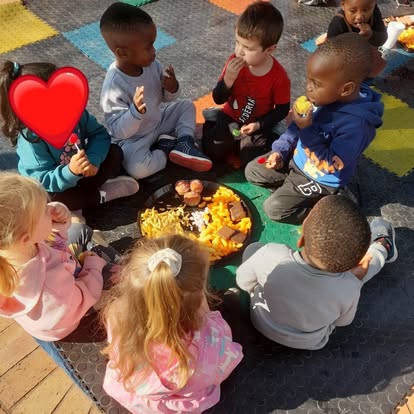
Our teachers share simple, child-friendly ideas that keep little tummies fuelled through a busy day of learning and play.
Read story →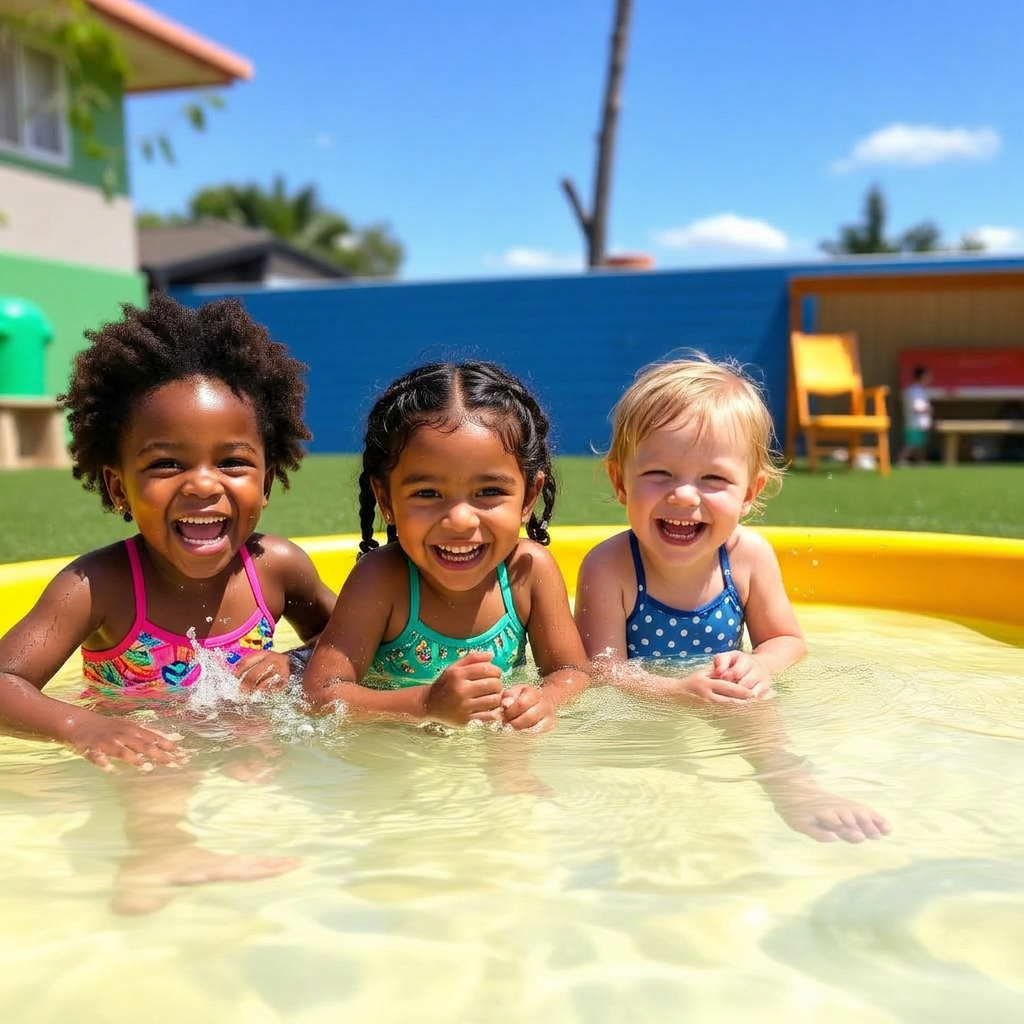
Sunny Durban days call for water play, and our little ones do not disappoint.
Read story →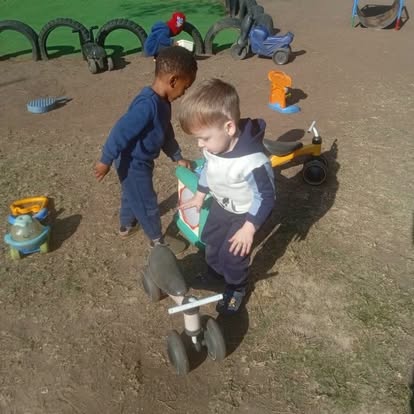
Bikes, scooters and ride-on toys — building strong legs, road sense and a whole lot of confidence.
Read story →